
Electrocardiogram (ECG) at Home – A Complete Guide
Medically reviewed by Dr. Xavier Chong Shin Thong , MD
Founder of GP House Call , Ex- Medical Officer in Sultanah Fatimah Specialist Hospital, Muar
Introduction
An Electrocardiogram (ECG) is a simple yet vital test that records the heart’s electrical activity. It can detect rhythm problems, heart attacks, and other cardiac conditions early.
Thanks to portable medical technology, ECG tests no longer require a hospital visit. A doctor or trained healthcare provider can now perform an ECG right in the comfort of your own home. This is especially useful for people with mobility challenges, chronic heart disease, or those recovering from recent health issues.
In this article, you will learn how home-based ECG testing works, why it may be needed, and how it can fit into your ongoing healthcare plan.
1. What is an ECG and How Does It Work?
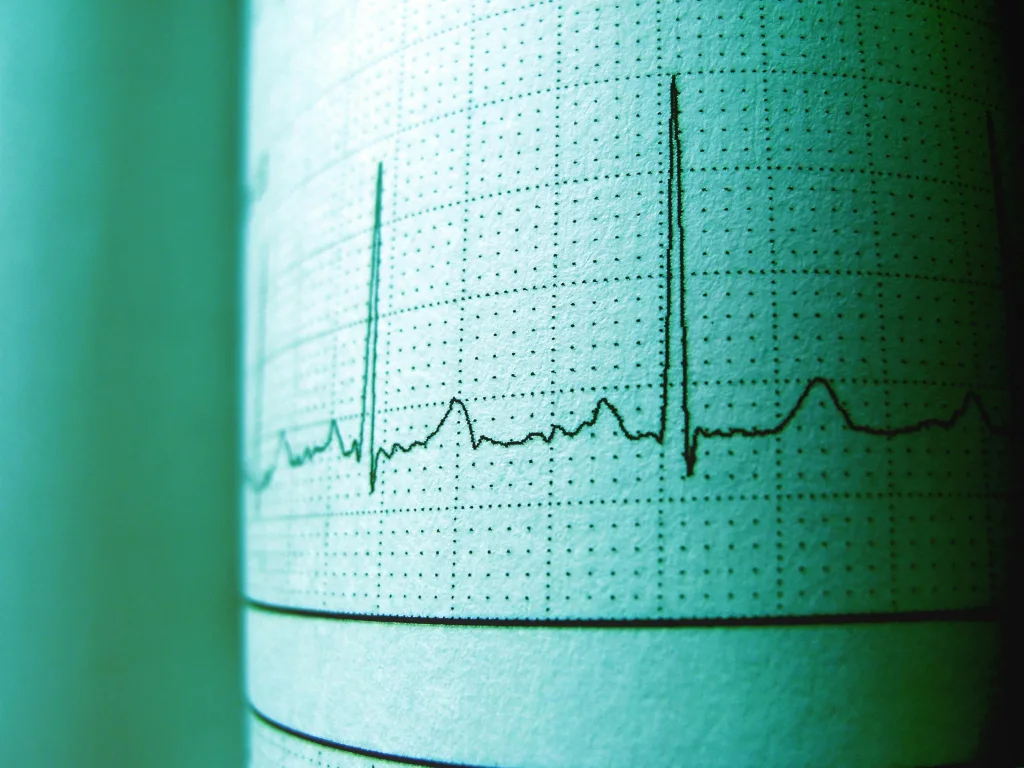
An ECG measures the heart’s electrical signals using small electrodes placed on the skin. These signals are recorded on a graph, allowing doctors to see if the heart rhythm is normal or abnormal.
In a home visit, the doctor brings a portable ECG device. The process is quick, painless, and takes about 5–10 minutes. Results are reviewed immediately, and if necessary, sent to a specialist for further analysis.
2. Who May Benefit from ECG at Home?
While anyone with symptoms of chest discomfort or irregular heartbeat can benefit, it is especially helpful for:
People with limited mobility or post-surgery restrictions
Individuals with heart disease or high cardiovascular risk
Persons on long-term medication affecting the heart
Those recovering from heart surgery or cardiac procedures
Anyone needing regular heart rhythm monitoring without travelling
Home ECG is also valuable for early detection. According to the American Heart Association, early diagnosis and timely management can significantly improve heart health outcomes.
🔗 Source: American Heart Association – ECG Testing
3. Advantages of ECG at Home
✅ Convenience and Comfort
There is no need to travel or wait in line. The test takes place in a familiar environment, reducing stress and saving time.
✅ Faster Access to Results
Since the procedure is done at home, results are available almost instantly. This allows faster and more confident decision-making for treatment.
✅ Reduced Exposure to Infections
Remaining at home limits contact with contagious illnesses found in busy healthcare settings.
✅ Ongoing Heart Health Monitoring
Furthermore, scheduling ECG tests at regular intervals helps track heart rhythm over time. In this way, it supports the management of chronic conditions and enables early intervention when changes are detected.
✅ Support for Family Caregivers
Lastly, having the test performed at home enables family members to be present. Consequently, they can hear the explanation directly from the doctor and better understand the treatment plan.
4. How to Prepare for a Home ECG Test
Preparation is minimal. However, a few simple steps make the process smoother:
Wear loose clothing for easy electrode placement.
Avoid heavy exercise immediately before the test.
List all medications being taken, as some affect heart rhythm.
Stay relaxed — stress can alter the reading slightly.
5. What Happens After the Test
After the ECG is complete, the doctor reviews the results. If abnormalities are detected, further investigations such as echocardiograms or blood tests may be recommended. In urgent cases, immediate hospital referral can be arranged.
6. Frequently Asked Questions (FAQ)
Q1: Is ECG at home as accurate as in a hospital?
Yes. Portable ECG devices used by qualified healthcare providers meet medical standards and produce accurate readings comparable to hospital equipment.
Q2: How long does the ECG take?
Usually 5–10 minutes, including setup and explanation.
Q3: Do I need a doctor’s order for a home ECG?
In most cases, yes — especially if the test is part of ongoing heart monitoring or linked to specific symptoms.
Q4: Can the results be shared with my cardiologist?
Absolutely. Results can be printed or sent digitally to your specialist for review.
Q5: How often should I have an ECG?
This depends on your medical history. People with known heart conditions may need it more often, while others may only require it if symptoms appear.
Conclusion – Bringing Heart Care Closer to You
An ECG at home offers a convenient, safe, and effective way to monitor heart health. It saves travel time, reduces exposure to illness, and ensures faster diagnosis — all while keeping you comfortable.
For anyone with heart concerns, a home ECG service is more than just a test; it is a practical tool for proactive, personalised healthcare.
🔗 Related GP House Call Services:
#ECGAtHomePetalingJaya #HomeECGTestKL #CardiacHomeCareSelangor #HeartCheckupAtHome #DoctorToDoorstepMalaysia