

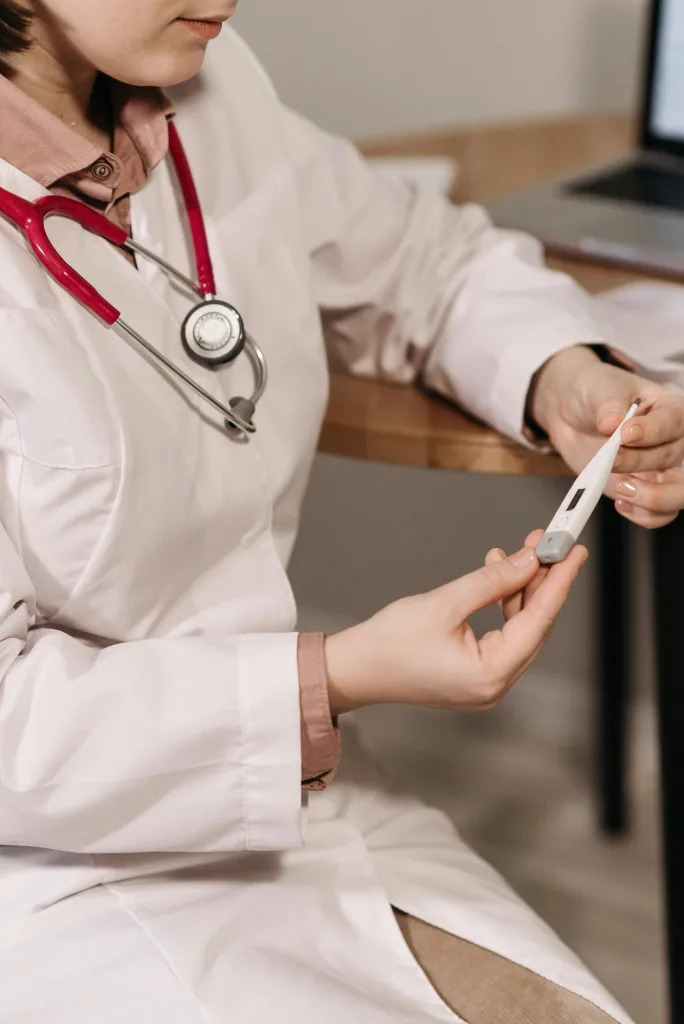
Medically reviewed by Dr. Xavier Chong Shin Thong , MD
Founder of GP House Call , Ex- Medical Officer in Sultanah Fatimah Specialist Hospital, Muar.
This article provides guidance on Fever Home Treatment.
Fever is a common symptom, especially in children, senior patients, and adults with chronic illnesses. Although most fevers improve with simple home remedies, some cases require medical attention. This guide explains how to treat fever at home, when to worry, and when to call a house call doctor for safe, timely care.
⭐ What Is a Fever?
A fever occurs when the body’s temperature rises above 38°C. It is often a natural response to infection. According to Mayo Clinic , fever helps activate the immune system.
You may also read our internal guide on Signs of Dehydration to understand why fever and dehydration often happen together.
🏡 Fever Home Treatment: What You Can Do
Treating fever at home can be effective when symptoms are mild. Here are safe and evidence-based steps:
1. Stay Hydrated
Fever increases fluid loss. Therefore, drink water, oral rehydration salts, or electrolyte drinks.
2. Rest Adequately
The body needs energy to fight infection. Hence, avoid strenuous activity and sleep well.
3. Use Fever-Reducing Medication
Paracetamol is safe for most people. Ibuprofen may be used in adults who are not pregnant and have no stomach or kidney issues.
Always follow dosage instructions or consult a doctor.
4. Apply a Lukewarm Compress
Place a lukewarm (not cold) towel on the forehead or neck to reduce discomfort. Do not use ice water, as it can cause shivering.
5. Use Light Clothing
Wear breathable clothing. Keep the room cool and well-ventilated.
⚠️ When to Call a Doctor Immediately
While many fevers are mild, some symptoms indicate danger. Contact a doctor right away if you or your loved one experience:
-
Fever above 39.5°C
-
Fever lasting more than 48–72 hours
-
Severe headache or stiff neck
-
Persistent vomiting or inability to drink
-
Confusion, dizziness, or fainting
-
Chest pain or difficulty breathing
-
Seizures (especially in children)
-
Rash that spreads quickly
-
Bedridden patients with weakness, dehydration, or sudden confusion
If you need urgent home treatment, you can book a doctor through GP House Call – Doctor Home Visit in Klang Valley.
🧓 Special Considerations for Patients
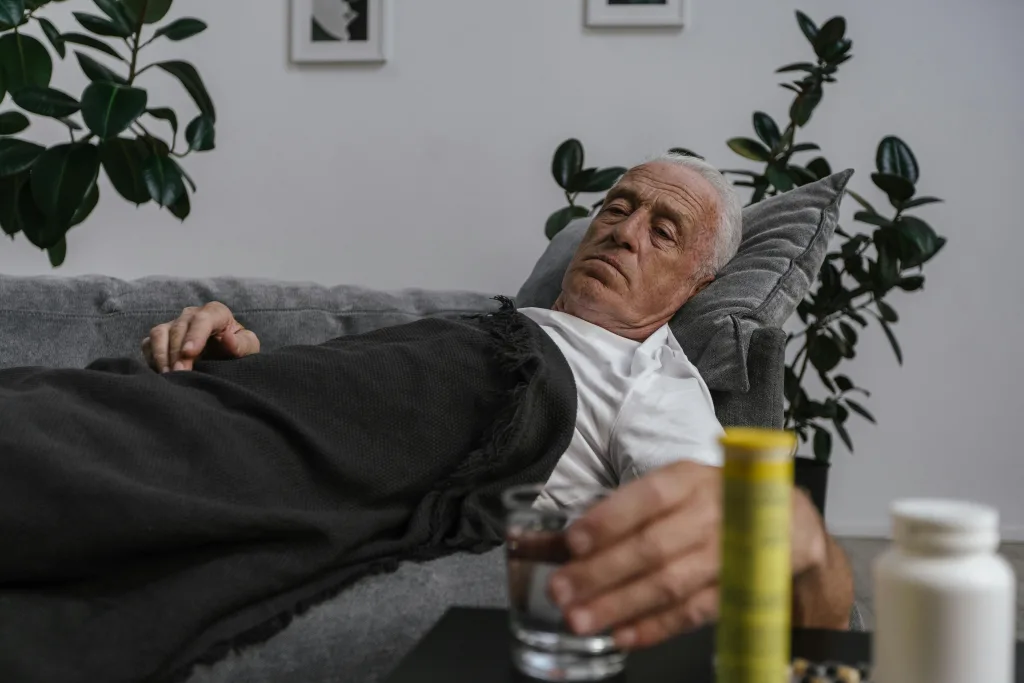
Older adults may not always show high temperatures during infection. Instead, they may present with:
-
Sudden fatigue
-
Low appetite
-
Confusion
-
Faster heart rate
Because of this, old individuals often require quicker medical assessment.
Read more: Senior Home Care Services.
🤒 Fever in Adults vs Children
Children tend to develop fever more easily. However, adults may experience more complications if they have chronic illnesses like diabetes, kidney disease, or heart problems. Therefore, always monitor symptoms closely.
🚑 When a House Call Doctor Is the Better Option For Fever Home Treatment ?
Calling a house call doctor is useful when:
-
The patient is too weak to travel
-
You want to avoid clinic waiting times
-
You prefer treatment in the comfort of your home
-
Fragile patients require monitoring
-
You need IV drips, blood tests, or antibiotic treatment at home
GP House Call offers:
-
Doctor home visits
-
IV hydration
-
Blood tests
-
Antibiotic drips
-
COVID/flu screening
-
Senior medical care at home
-
Wound care
🧭 How to Monitor Fever at Home Properly
To track recovery:
-
Check temperature every 4–6 hours
-
Note symptoms like cough, sore throat, rash, or weakness
-
Ensure adequate fluid intake
-
Record medications and dosage times
If symptoms worsen despite medication, call a doctor early.
🧪 Tests That a Doctor May Perform at Home
During a home visit, a doctor may perform:
-
Physical examination
-
Rapid tests for dengue, flu, COVID-19
-
Blood tests (CBC, CRP, liver/kidney function)
-
Urine tests
-
Antibiotic drips (if required)
This helps identify infections early and prevent complications.
❓ Frequently Asked Questions (FAQ)
1. Is fever dangerous?
Most fevers are not dangerous. However, very high or persistent fever may signal a serious infection.
2. Should I take antibiotics?
No. Fever does not always mean bacterial infection. A doctor must diagnose first before prescribing antibiotics.
3. Can dehydration worsen fever?
Yes. Dehydration increases body temperature and delays recovery.
4. When should children see a doctor?
If a child has fever for more than 48 hours, refuses to drink, becomes irritable, or develops seizures, seek medical care immediately.
5. When should old patients seek medical help?
Golden age individuals should call a doctor if they show weakness, confusion, or reduced appetite—even without a very high temperature.
🩺 Final Takeaway
Fever can often be managed at home using simple remedies. However, monitoring symptoms is essential. If the fever persists, worsens, or comes with red-flag symptoms, contact a qualified doctor promptly. Home visits ensure safer and more comfortable care, especially for bedridden or weak patients.
📞 Call or WhatsApp: +60 11-7516 7688
🌐 gphousecall.my